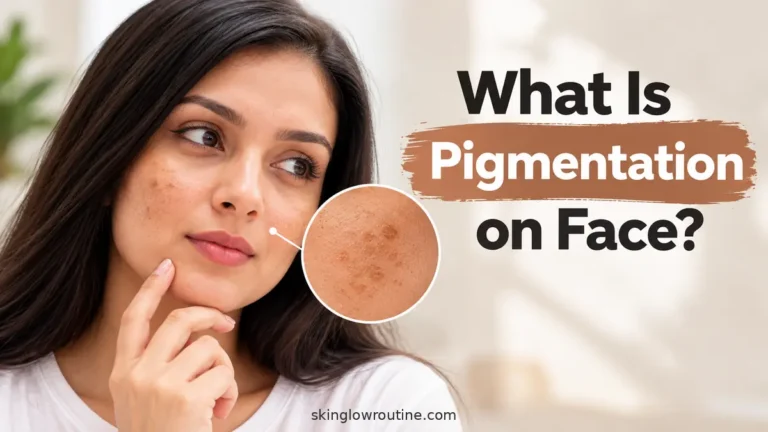
What Is Pigmentation on Face? Causes, Types, and How to Treat It

Are you troubled by dark marks, an uneven color tone, or those spots that never seem to go away? You may be facing pigmentation problems. This is among the most prevalent skin problems that people ask questions about, but once you know what is really going on beneath the surface, it becomes much simpler to address the problem properly.
What Is Pigmentation on the Face?
Pigmentation is basically the color of one’s skin and it is regulated by a compound known as melanin. If the melanin is even on the skin surface, then the tone of the skin will be uniform. However, if there is an excess of melanin production or it is localized in certain regions of the skin, hyperpigmentation is formed.
What Is Hyperpigmentation on Skin?
Hyperpigmentation is a common skin concern that causes some areas of the skin to become darker than the surrounding skin. It happens when the skin produces extra melanin, the pigment responsible for your skin’s natural color.
It can appear as dark spots, patches, or an uneven skin tone. Common causes include sun exposure, acne marks, hormonal changes, skin irritation, and inflammation. Hyperpigmentation can affect any skin type and may appear on the face, hands, neck, or other areas of the body.
Hyperpigmentation isn’t a single condition – it shows up in a few distinct forms:
- Melasma: Large, symmetrical patches, usually on the cheeks, forehead, nose, or upper lip, often triggered by hormonal changes.
- Post-inflammatory hyperpigmentation (PIH): Dark marks that appear after skin trauma, most commonly after acne heals.
- Age spots (lentigines): Small, darkened patches that build up from years of sun exposure.
- Freckles: Small, flat brown spots, often genetic and worsened by sun exposure.
- Sunspots: Similar to age spots, caused specifically by prolonged UV exposure.
What Causes Hyperpigmentation?
Several factors can trigger excess melanin production:
- Sun exposure — the single biggest driver of pigmentation, since UV rays stimulate melanin as a defense mechanism.
- Hormonal changes — pregnancy, birth control pills, or thyroid changes can all trigger melasma.
- Skin trauma or inflammation — acne, waxing, cuts, or irritation can leave behind dark marks as skin heals.
- Nutritional deficiencies — low levels of vitamin C, B12, or iron can slow your skin’s natural ability to fade discolouration.
- Certain medications — some drugs increase skin’s sensitivity to sunlight, accelerating pigmentation.
- Ageing — melanin distribution naturally becomes less even over time, leading to age spots.
- Genetics — some people are simply more prone to pigmentation, like freckles that run in families.
What Are the Causes of Dark Spots on Face?
Sun Exposure: Ultraviolet (UV) rays from the sun trigger melanin production, leading to sunspots or solar lentigines over time.
Post-Inflammatory Hyperpigmentation (PIH): Skin trauma or inflammation —such as acne breakouts, cuts, burns, or insect bites—leaves behind dark marks as the skin heals.
Hormonal Changes: Fluctuations from pregnancy, menopause, or birth control pills can cause a patterned form of pigmentation called melasma.
Aging and Genetics: Natural aging and genetic predisposition influence how your skin produces and distributes melanin.
Medications and Medical Conditions: Certain drugs (like specific antibiotics or anti-seizure medications) and health issues (like Addison’s disease or diabetes) can also stimulate skin darkening
What Is Post-Inflammatory Hyperpigmentation?
Post-inflammatory hyperpigmentation, often shortened to PIH, is the dark mark left behind after your skin has healed from an injury or inflammation – most commonly a popped pimple, but also things like eczema flare-ups, cuts, or even an aggressive wax.
When skin is inflamed, it triggers extra melanin production as part of the healing response, leaving a flat, discoloured mark that can linger long after the original irritation is gone. Unlike acne scars,
PIH is not textured – it’s simply a colour change, which is actually good news, since it means it can fade with the right combination of exfoliation, brightening ingredients, and time.
What Does Hyperpigmentation Look Like?
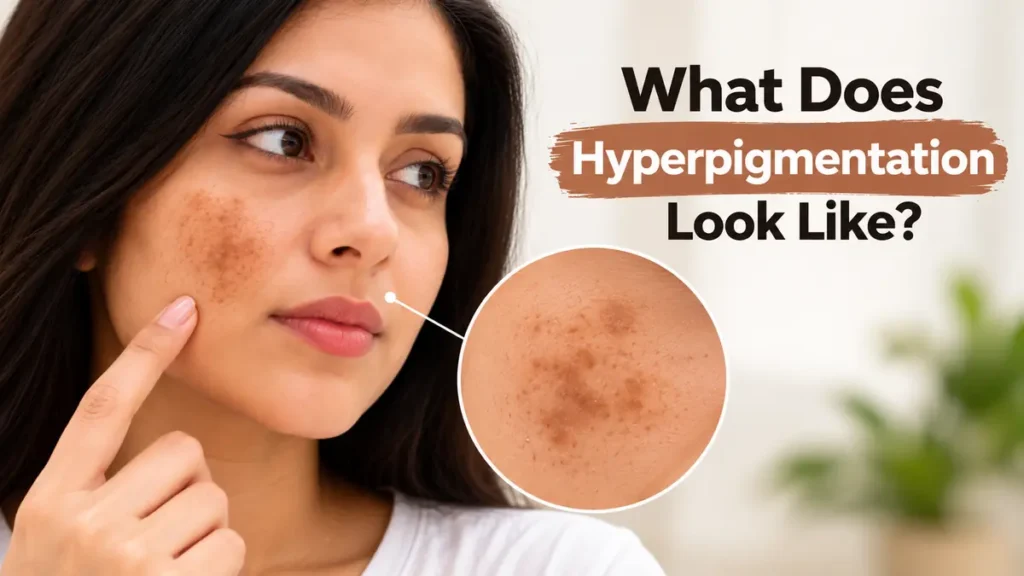
Hyperpigmentation typically shows up as:
- Flat, darkened patches or spots that are noticeably different from your natural skin tone
- Colour ranging from light brown to deep brown or black, depending on your skin tone and the depth of the pigmentation
- An overall uneven or blotchy skin tone rather than a single spot
- No physical texture change in most cases – it’s a colour difference, not a bump or scar
If the affected area also has itching, swelling, or pain, that usually points to an underlying skin condition (like eczema or an active breakout) rather than pigmentation alone.
How to Get Rid of Hyperpigmentation Around the Mouth
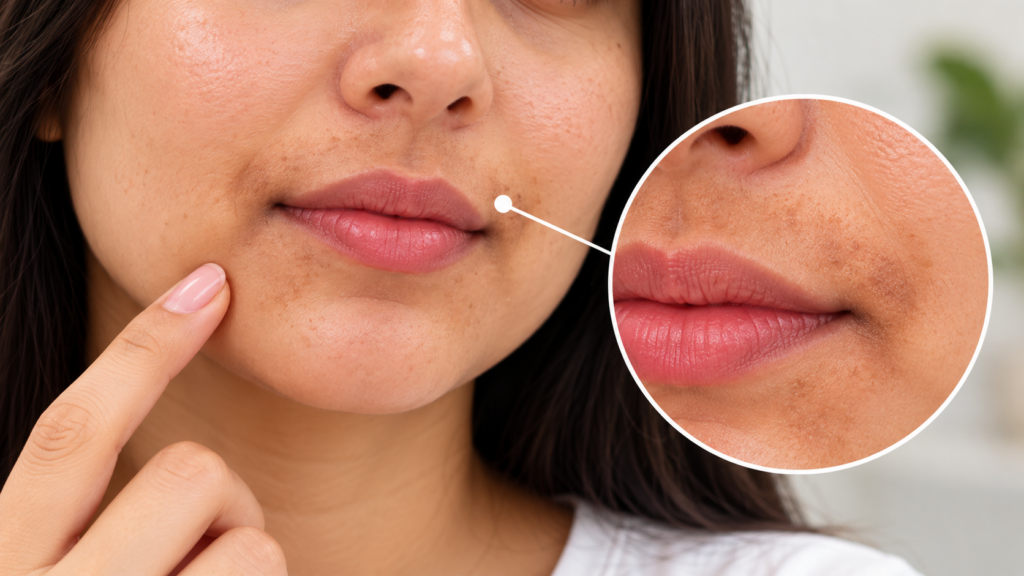
Whether your pigmentation comes from sun damage, acne, or hormones, most effective treatment plans combine a few key elements:
- Niacinamide, which blocks melanin transfer to the skin’s surface and suits nearly all skin types, including sensitive skin.
- Vitamin C, an antioxidant that helps brighten tone and fade dark spots over time.
- Salicylic acid, especially useful for fading post-acne marks by supporting gentle exfoliation and skin renewal.
- Gentle exfoliation, using a mild acid 1–2 times a week to encourage skin cell turnover.
- Daily broad-spectrum sunscreen, which is non-negotiable – without it, even the best brightening routine will struggle to make real progress, since new sun exposure keeps triggering fresh pigmentation.
How to Prevent Pigmentation From Coming Back
- Wear SPF 30 or higher every single day, rain or shine, indoors or outdoors.
- Avoid picking or squeezing acne, since this is one of the most common (and most preventable) causes of dark marks.
- Stick to a consistent routine — constantly switching products disrupts your skin barrier and can actually make pigmentation worse.
- Eat a balanced, antioxidant-rich diet, since nutrient deficiencies can slow your skin’s natural repair process.
- Manage underlying hormonal or skin conditions with a dermatologist’s guidance, especially if melasma or PIH is a recurring issue for you.
When Should You See a Dermatologist?
If you’ve been consistent with a targeted routine for 8–12 weeks with no visible improvement, or if pigmentation is spreading, changing shape, or comes with other symptoms like itching or pain, it’s time to consult a dermatologist.
Some forms of hyperpigmentation, especially melasma, may need prescription-strength treatments like retinoids, hydroquinone, or in-clinic procedures such as chemical peels or laser therapy to see meaningful improvement.
Conclusion
Pigmentation is usually caused by more than one factor, and it may take time to improve. The best approach is to identify the cause, use the right skincare ingredients, and wear sunscreen every day. Give your skin a few weeks to show results. If you don’t see improvement after being consistent, consider seeing a dermatologist.
FAQ:
Also Read:
Why Do I Get Pimples on My Chin? (And How to Stop the Breakouts)
Best Face Sun Cream for Oily Skin – 50 Picks That Won’t Clog Pores

I’m Suma Angari, Founder of SkinGlowRoutine.com and an SEO Executive passionate about digital marketing and skincare. I share SEO tips, blogging ideas, and natural skincare guides to help you grow online and glow naturally.
View All Articles